Tough Clothing for Outdoor Work: 2026 Buying Guide
· Editorial Team

Last Updated: October 24, 2026
Quick Summary
Tough clothing for outdoor work is apparel built from abrasion-resistant fabrics, reinforced seams, and hardware that survives mud, grit, and weather. Buy for the failure point, not the label: knees blow out before hems, shoulder seams split before elbows, and cuffs fray before collars. Match fabric weight and weave to the season, then check seams first.
- Heavy canvas resists abrasion and punctures but is stiff and slow to dry.
- Cold-weather workwear works in three layers: wicking base, insulating mid, weather-resistant shell.
- Double-stitched seams and bar tacks at stress points outlast single stitching.
- Articulated knees and gusseted crotches prevent seam strain when kneeling and squatting.
- Wash inside out in cold water, skip fabric softener, air dry, and repair tears early.
Table of Contents
- Tough Clothing for Outdoor Work: What Actually Holds Up
- What to Wear Working Outside in Summer
- Moisture-Wicking Work Clothing: Sweat Management That Works
- Cold-Weather Workwear: Layering for Insulation and Mobility
- Weather-Resistant Work Clothes for Rain and Wind
- Fabric, Seam, and Construction Comparisons
- Fit, Mobility, and Layering Compatibility
- Care, Repair, and Garment Lifespan
- Frequently Asked Questions
Tough Clothing for Outdoor Work: What Actually Holds Up
Tough clothing for outdoor work is apparel built from abrasion-resistant fabrics, reinforced seams, and hardware that survives repeated exposure to mud, grit, and weather. At Covey Entertainment, we make gear for tradespeople who care how it looks as much as how it lasts.
Most buying guides list features. They skip the part that matters: which construction details fail first. Knees blow out before hems do. Shoulder seams split before elbows. Cuffs fray before collars. Knowing that changes how you shop.
Here's what we cover: summer sweat management, cold-weather layering, rain and wind shells, fabric and seam comparisons, fit and mobility, and how to make gear last. The throughline is simple. Buy for the failure point, not the label.
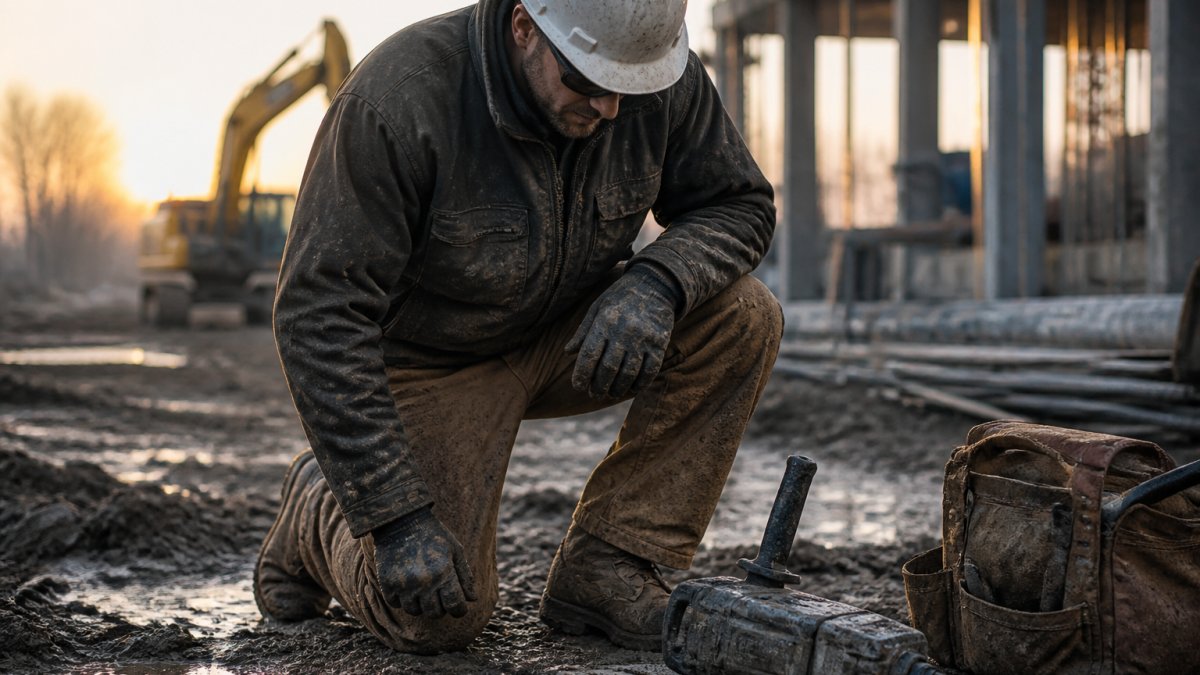
Duable workwear starts with fabric weight and weave. Heavier canvas resists punctures and thorns. Tight weaves block wind. Looser knits breathe. No single fabric wins everywhere, which is why seasonal rotation beats one do-everything outfit.
What to Wear Working Outside in Summer
Summer work clothing should prioritize breathability, sweat management, and sun coverage over heavy protection. Lightweight cotton, cotton-synthetic blends, and ventilated work shirts keep core temperature down. Lighter colors reflect heat. Loose cuts allow airflow without snagging on equipment.
The mistake most people make is stripping down to a tank top. Bare skin burns, scratches, and dehydrates faster than covered skin. A lightweight long-sleeve shirt in a breathable weave protects more than it costs in comfort.
Pick fabrics that dry fast. Cotton holds sweat and stays damp. Blends with synthetic content wick moisture to the surface and release it. For hot, humid job sites, that difference is the whole game.
If you want the fit and fabric details before you buy, the Blue Collar Army Skeleton Worker T-Shirt page lists garment measurements for a heavy cotton tee you can compare against a shirt you already own.
Moisture-Wicking Work Clothing: Sweat Management That Works
Moisture-wicking work clothing moves sweat away from skin to the fabric surface, where it evaporates. That keeps you drier, cooler, and less prone to chafing during long shifts. Synthetic blends and merino wool perform best. Heavy cotton performs worst.
Merino wool deserves a mention. It regulates temperature, resists odor, and stays warm when damp. It costs more and wears faster under heavy abrasion, so most tradespeople use it as a base layer, not outerwear.
Sweat management is a system, not a shirt. Base layers wick. Mid layers insulate. Outer layers block wind and rain. Get the base wrong and the rest of the system fails.
Cold-Weather Workwear: Layering for Insulation and Mobility
Cold-weather workwear works in three layers: a moisture-wicking base, an insulating mid layer, and a wind- and water-resistant shell. Each layer adds warmth without trapping sweat. Bulky single garments restrict movement and leave you overheated once you start moving.
Fleece lining and quilted insulation trap body heat. The shell keeps wind from stripping it away. Get the shell wrong and the insulation does nothing.
Mobility is the trade-off. Too many layers and you can't climb, kneel, or reach overhead. Insulated work pants with articulated knees solve this better than adding a base layer under standard pants.
For a mid or outer layer, the American Flag Grim Reaper Hoodie is built as a pull-over layer you can add without losing shoulder mobility.
Weather-Resistant Work Clothes for Rain and Wind
Weather-resistant work clothes block rain and wind while letting sweat escape. Waterproof fabrics stop water entirely but trap heat. Water-resistant fabrics shed light rain and breathe better. Wind protection comes from tight weaves and storm flaps, not thickness.
Match the shell to the job. A waterproof jacket on a hot, humid site becomes a sauna. A water-resistant softshell handles drizzle and wind without overheating. For sustained rain, you need sealed seams, not just a coated fabric.
Seam construction decides performance. Taped seams stop water seeping through stitch holes. Storm flaps over zippers block wind-driven rain. Cuffs with adjustable closures keep water from running up your sleeves.
According to the CDC's guidance on working in heat, heat illness risk rises sharply when workers wear clothing that traps heat and moisture. Breathable shells matter for safety, not just comfort.
Fabric, Seam, and Construction Comparisons
Fabric and construction decide how long work clothing lasts. Canvas resists abrasion. Denim holds shape but dries slowly. Merino regulates temperature. Fleece insulates. Reinforced panels at knees, elbows, and pockets extend garment life where wear happens first.
| Fabric | Best For | Weakness | Care Note |
|---|---|---|---|
| Heavy canvas | Abrasion, punctures | Stiff, slow to dry | Wash cold, air dry |
| Denim | General work, shape retention | Holds moisture | Avoid high heat |
| Merino wool | Base layers, odor control | Wears under abrasion | Hand wash or gentle cycle |
| Fleece | Insulation, lightweight warmth | Pills with friction | Avoid fabric softener |
| Synthetic blend | Moisture-wicking, fast drying | Can retain odor | Wash after each wear |
Seams fail before fabric does. Double-stitched seams and bar tacks at stress points last longer than single stitching. Look for reinforced panels at knees and pockets, and check that buttons and zippers are metal, not plastic.
OSHA's guidance on protective clothing and equipment notes that garment selection should match the hazard, not just the weather. That principle applies to abrasion and snag risks as much as to chemical exposure.
Fit, Mobility, and Layering Compatibility
Fit and mobility decide whether tough clothing actually gets worn. A garment that binds at the shoulder or pulls at the knee gets left in the truck, no matter how abrasion-resistant the fabric.
Start with the movements your job repeats. Landscapers and groundskeepers spend hours kneeling, squatting, and twisting. Construction workers reach overhead, climb ladders, and carry loads against the body. Forestry and utility crews combine steep terrain with brush and tool handling. Each pattern stresses a different part of the garment.
- Kneeling and squatting: Look for articulated knees, a panel cut so the knee bends without pulling the fabric taut. A gusseted crotch adds a diamond or triangular insert that prevents seam strain when you squat. Without these, the fabric at the knee and seat wears thin first.
- Overhead reach: Jackets and hoodies need shoulder gussets or stretch panels at the yoke. A raglan sleeve (the seam runs from underarm to collar rather than across the shoulder) moves with the arm better than a set-in sleeve. If you cannot raise both arms overhead without the hem lifting past your waist, the jacket will fight you on a ladder.
- Carrying and tool belts: Waistbands and belt loops take concentrated load. Look for double-layer belt loops and a waistband that sits at or slightly above the hip bone, not below it. Pants that ride low shift under a tool belt and chafe.
Layering compatibility is the second half of fit. The common mistake is sizing up an outer layer to fit a mid layer underneath. That leaves excess fabric at the torso and sleeves that snag on equipment.
Stretch panels change the equation. Four-way stretch fabric at the shoulders, knees, and waist adds mobility without bulk. Two-way stretch (often along the grain) helps in one direction only and can still bind when you twist.
A practical rule from tradespeople who work in cold, wet conditions: if you need more than three layers to stay warm while standing still, your mid layer is under-insulated. Add insulation weight rather than layer count. More layers mean more binding points and more chances for a seam to fail.
If you have sizing or fit questions before ordering, the contact page is the fastest way to reach us directly.
Care, Repair, and Garment Lifespan
Care and repair extend garment lifespan more than any single purchase decision. The difference between a work jacket that lasts two seasons and one that lasts five is usually not the fabric, it is how the garment is washed, dried, and repaired.
Washing by fabric type. Heavy canvas and denim tolerate cold machine washing but break down faster with heat.
Drying and heat damage. Heat is the silent killer of work clothing. It breaks down elastic fibers in stretch panels, degrades water-repellent coatings on shells, and shrinks cotton canvas. Air dry whenever possible.
Repair before replacement. Small tears and seam failures are cheap to fix and expensive to ignore. A tear at the knee that starts as a half-inch split becomes a blown-out panel within a few wears.
- Wash after heavy sweat or chemical exposure, not just when visibly dirty
- Turn garments inside out to protect prints and outer surfaces
- Skip fabric softener, which coats wicking fibers and reduces performance
- Air dry to preserve coatings and elastic
- Repair seams and tears early with a simple stitch or patch
- Reapply DWR spray to shells when water stops beading, following the manufacturer's instructions
Stain and odor resistance degrade with heat and harsh detergents. Treat them gently and they last longer. Stain-resistant finishes and odor-control treatments are surface-level; abrasive detergents and hot water strip them faster than normal wear.
Lifespan as a buying criterion. When comparing two similar garments, ask how repairable they are. A garment with reinforced knees, replaceable buttons, and standard zippers is easier to keep in service than one with glued seams and proprietary hardware. That difference matters more over five years than a small gap in upfront cost.
When it's time to replace worn gear, the new merch page shows the latest additions worth investing in.
Frequently Asked Questions
What should you wear when working outside in summer?
Lightweight, breathable fabrics that wick sweat away from your skin, like merino wool or synthetic blends. Avoid cotton because it holds moisture and dries slowly. Choose light colors that reflect heat, a wide-brim hat for sun protection, and loose-fitting tough clothing that allows airflow. For high-visibility requirements, look for ANSI-rated vests made with breathable mesh. Stay hydrated and take shade breaks, but the right moisture-wicking work clothing makes the biggest difference in comfort and safety.
What fabrics are best for outdoor work clothing?
Canvas and denim resist abrasion and stains, making them ideal for pants and jackets. Merino wool regulates temperature and controls odor. Synthetic blends like nylon and polyester dry quickly and handle moisture-wicking well. Fleece lining adds warmth without bulk. Look for reinforced panels at knees, elbows, and pockets. Avoid 100% cotton in wet or cold conditions because it loses insulation when damp. The best tough clothing combines these materials strategically for your specific job and climate.
How do you choose durable workwear for outdoor jobs?
Match the garment to your exposure. For rain and wind, prioritize weather-resistant work clothes with sealed seams and water-repellent finishes. For cold, focus on cold-weather workwear with insulation and layering compatibility. Check construction details like double-stitched seams, bar-tacked stress points, and reinforced knees. Consider mobility: gusseted crotches and articulated sleeves prevent tearing. Read care labels and verify return policies. Quality tough clothing costs more upfront but lasts longer than cheap alternatives that fail after a few months.
How can you stay cool while wearing work clothes outside?
Start with moisture-wicking work clothing as your base layer to move sweat away from your skin. Choose light-colored, loose-fitting outer layers that allow airflow. Look for vented panels or mesh-lined jackets. Take regular shade breaks and drink water before you feel thirsty. A wide-brim hat and UV-protection accessories shield you from direct sun. Avoid dark, heavy fabrics that trap heat. If your job requires high-visibility safety apparel, choose ANSI-rated vests with breathable mesh backs rather than solid plastic.
