How to Choose Work Shirts That Look Professional
· Editorial Team

Last Updated: October 30, 2026
Quick Summary
Choose work shirts that look professional by checking fit, a structured collar that stays flat, and fabric heavy enough to resist wrinkles and stains. Match the style to your dress code: button-ups for client meetings, polos for service calls, and performance shirts for heavy labor.
- Look for double-needle seams at shoulders and armholes, plus bar tacks at pocket corners and side vents.
- A fused or reinforced collar keeps its structure through sweat and repeated washing.
- HVAC technicians should pick moisture-wicking polos in dark solid colors with four-way stretch.
- Women's work shirts need articulated sleeves, a defined waist, and inclusive sizing, not just smaller men's cuts.
- Wash shirts inside out in cold water, skip fabric softener on performance fabrics, and hang damp shirts to dry.
Table of Contents
- What Makes a Work Shirt Look Professional
- Durable Work Shirts: Reinforced Construction That Still Looks Sharp
- Work Shirts for HVAC Technicians: Clean-Cut Gear for Attics and Client Homes
- Professional Work Shirts for Women: Fit, Fabric and Field-Ready Style
- Button-Up, Polo or Performance: Matching the Shirt to Your Dress Code
- Care, Wrinkle Resistance and Keeping a Polished Appearance All Week
- Build Your Work Shirt Rotation with Covey Entertainment
- Frequently Asked Questions
What Makes a Work Shirt Look Professional
A work shirt looks professional when it fits well, holds its shape through a full shift, and matches the dress code of the job site or client meeting. A work shirt is often the first thing a client, foreman, or homeowner notices when you walk through the door.
Covey Entertainment makes apparel for tradespeople who want to look sharp without losing their blue-collar identity. A shirt that looks crisp at 7 a.m. but sags by noon fails the test. The shirts that pass share a few traits:
- A structured collar that stays flat, not curled
- Fabric with enough weight to resist wrinkles and stains
- A fit that allows full arm movement without billowing
- Reinforced seams at the shoulders and side panels
Below, we break down how to judge each of those, plus how to match shirts to your trade, your body, and your workweek.
Durable Work Shirts: Reinforced Construction That Still Looks Sharp
Durability is where cheap shirts give themselves away. Look at the stitching first: double-needle seams at the shoulders and armholes hold up far better than single stitching.
Fabric weight matters too. Heavier cotton and cotton-blend twill resist abrasion and keep their shape, while thin synthetic blends wrinkle fast and show every crease. Textile industry guidance on fabric durability testing explains how abrasion resistance is measured, which is a useful lens when comparing shirts.
What most buyers miss is the collar. A fused or reinforced collar keeps its structure through sweat and repeated washing.
For a deeper comparison of tough garments, see our buying guide to tough clothing for outdoor work.
Work Shirts for HVAC Technicians: Clean-Cut Gear for Attics and Client Homes
HVAC work punishes shirts. You crawl through attics, kneel in crawlspaces, and then walk into a homeowner's living room expecting to look presentable.
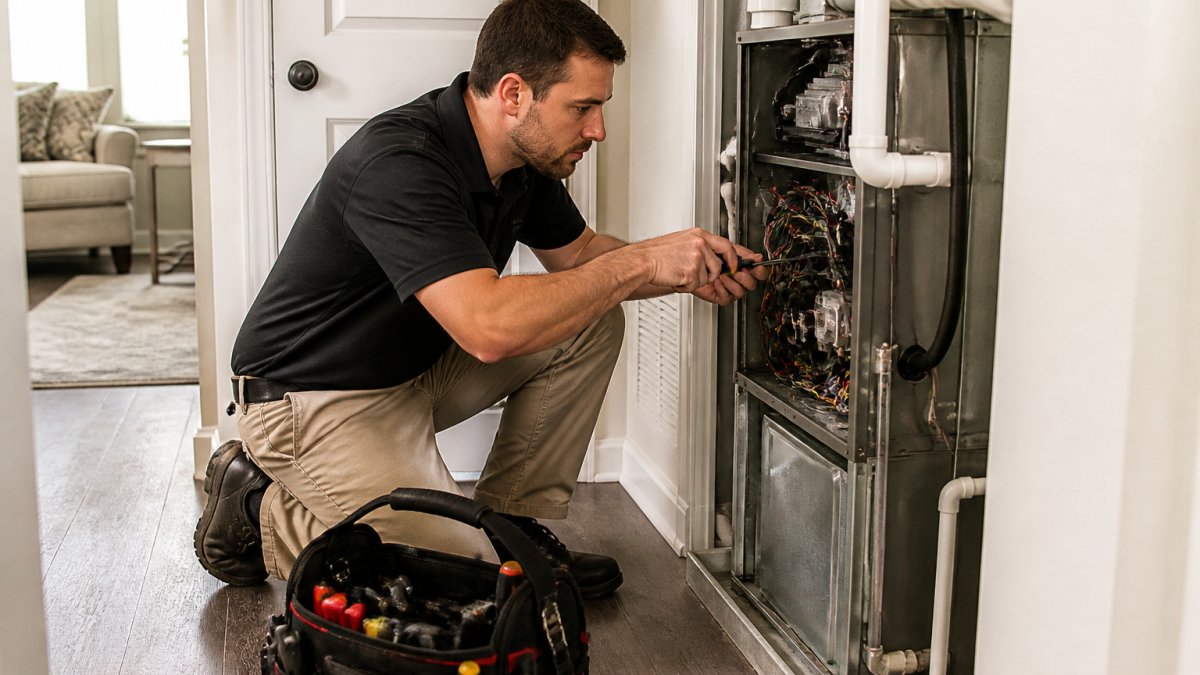
Prioritize these features:
- Moisture-wicking fabric so sweat dries instead of soaking through
- Short or roll-up sleeves for attic heat, without looking sloppy
- A dark, solid color that hides dust and grease smudges
- Four-way stretch for reaching into tight mechanical spaces
A collared polo is the safest choice for technicians who move between mechanical rooms and client homes. It reads as professional without the stiffness of a dress shirt.
Professional Work Shirts for Women: Fit, Fabric and Field-Ready Style
Professional work shirts for women are not just men's shirts in smaller sizes. The cut matters: shorter sleeve lengths, tapered waists, and shoulder seams that sit correctly on a narrower frame make a shirt look intentional rather than borrowed.
Look for work tops with:
- Articulated sleeves that allow overhead reach without pulling
- A defined but comfortable waist that stays tucked or looks clean untucked
- Performance fabric with moisture management and stretch
- Inclusive sizing that accounts for different torso lengths and builds
OSHA guidance on protective clothing and fit in the workplace notes that poorly fitting gear can restrict movement and create hazards.
Pipe Wrench Gang Embroidered Logo Polo | PWG CLEAN Collection | Blue Collar →
Button-Up, Polo or Performance: Matching the Shirt to Your Dress Code
The right shirt depends entirely on where you wear it. Match the style to the setting, not to personal preference alone. The table below is a starting point, but the real skill is reading your workplace's dress code and your daily mix of tasks.
| Shirt Style | Best For | Professional Look | Durability Notes |
|---|---|---|---|
| Button-up / dress shirt | Client meetings, office settings, supervisory roles | Sharp, formal | Needs wrinkle resistance and a reinforced collar |
| Polo shirt | Field techs, service calls, mixed client and site work | Clean-cut, approachable | Holds shape well, easy to layer |
| Performance shirt | Heavy labor, hot environments, all-day wear | Rugged but tidy | Moisture-wicking, stretch, tear resistance |
| Flannel / plaid shirt | Cooler months, layering, casual job sites | Reliable, rugged | Look for tight weave and reinforced seams |
Read your workplace dress code before you buy
Most workplaces fall into one of four buckets. Knowing which one you're in prevents the two classic mistakes: showing up overdressed (a stiff dress shirt on a framing crew) or underdressed (a faded performance tee in a client conference room).
- Formal or client-facing office: Button-up dress shirts in solid white, light blue, or subtle stripes. Collar stays, a clean press, and a tucked hem matter more than fabric tech.
- Business casual or hybrid: Button-ups worn open over a clean tee, or a crisp polo. Chinos-and-polo is the safe uniform. Avoid loud logos and visible wear at the collar and cuffs.
- Customer-facing trade or service: Collared polo in a dark solid color. It reads as uniform without looking stiff, hides dust and grease, and layers under a jacket in cold months. Embroidered company logo is a plus, not a minus.
- Site, warehouse, or heavy labor: Performance shirt or a sturdy work button-up you don't mind getting dirty. Prioritize moisture-wicking, stretch, and tear resistance. A clean, untorn shirt still reads as professional even when it's built for abuse.
Match the shirt to the job, not just the dress code
A few occupation-specific rules of thumb most guides skip:
- HVAC, plumbing, electrical: A dark collared polo or a performance button-up with roll-up sleeves. You move between attics and living rooms, so breathability and a clean collar both matter.
- Construction and carpentry: A heavyweight work shirt or performance tee in a solid color. High-visibility requirements may override color choice, check your site rules first.
- Warehouse and logistics: Breathable performance shirts with stretch. Avoid loose sleeves near conveyors and forklifts.
- Field sales and inspections: Button-up or a sharp polo. A spare clean shirt in the truck is the single best investment for impromptu client visits.
A button-up shirt signals formality. A polo shirt hits the middle ground that most tradespeople need. A performance shirt keeps you comfortable through physical work. Many workers keep all three in rotation and switch by the day.
Our PWG Clean Collection embroidered logo polo is a collared, professional style with the blue-collar attitude behind it.

Care, Wrinkle Resistance and Keeping a Polished Appearance All Week
A sharp shirt on Monday is worthless if it looks tired by Thursday. Care habits decide whether a work shirt keeps its professional appearance through the week. The goal is simple: minimize fiber damage, prevent set-in wrinkles, and have a backup plan for the days that go sideways.
Wash and dry to protect the fabric
- Turn shirts inside out before washing. This protects the outer face from abrasion against zippers, buttons, and other garments.
- Use cold water on a normal or gentle cycle. Hot water accelerates shrinkage and breaks down cotton fibers over time.
- Skip fabric softener on performance and moisture-wicking shirts. Softener coats the fibers and reduces wicking. It also builds up on cotton and can make shirts feel stiff.
- Don't overload the dryer. A crowded dryer tumbles shirts against each other and sets wrinkles. If you use a dryer at all, use low heat and remove shirts while slightly damp.
- Hang or lay flat to dry when you can. Hanging a damp shirt on a broad hanger lets gravity pull wrinkles out as it dries, one of the simplest wrinkle-resistance tricks there is.
Choose fabrics that fight wrinkles
Wrinkle resistance is mostly a fabric decision, not a care decision. Here's how the common options trade off:
- 100% cotton: Breathable, comfortable, and looks sharp when pressed, but wrinkles easily and needs ironing. Best for office and client-facing roles where you'll press before wearing.
- Cotton-poly blend: The practical middle ground. Holds a press better than pure cotton, resists wrinkles through the day, and costs less than performance fabrics. Good for daily wear.
- Performance synthetic (polyester/nylon blends): Best wrinkle resistance and moisture management. Holds shape through sweat and repeated washing.
Keep a polished look through the week
- Fold or hang promptly. Leaving clean shirts in a pile is the fastest way to create wrinkles. Hang them as soon as they're dry.
- Use a steamer for touch-ups. A handheld steamer is faster than an iron and gentler on performance fabrics. Hang the shirt and steam downward from the shoulders.
- Rotate shirts. Wearing the same shirt two days in a row accelerates wear at the collar and cuffs. A rotation of five or more shirts spreads the load.
- Treat stains fast. Blot, don't rub, grease and oil stains, then apply a small amount of dish soap or a stain remover before washing. Hot water sets protein stains (sweat, blood); use cold water first.
- Keep a spare clean shirt in your vehicle or locker for client visits. A quick change before a meeting is the simplest way to maintain a polished look after a dirty job.
Build Your Work Shirt Rotation with Covey Entertainment
The real secret to looking professional every day is rotation. Own enough shirts that you are never forced to wear a wrinkled or stained one. A practical rotation looks like this:
- Three to four polos for everyday field and client work
- Two button-ups for meetings and formal site visits
- Two performance shirts for heavy or hot jobs
- One flannel for cold-weather layering
Covey Entertainment builds original apparel for tradespeople who refuse to blend in. Our Pipe Wrench Gang gear combines a blue-collar attitude with a clean look, so you can show your pride on the job. Browse the full range and start building your rotation.
Frequently Asked Questions
What shirts look professional for work?
Collared shirts make the strongest professional impression: button-ups for office-facing days and polo shirts for field and client visits. A clean black polo with a small embroidered logo, like the Pipe Wrench Gang Embroidered Logo Polo ($36.99), is a practical choice for customer-facing work. Avoid graphic tees in front of customers, and check that the shirt fits at the shoulders before you leave the house.
How should a work shirt fit to look professional?
The shoulder seam should sit at the edge of your shoulder, the sleeve should end mid-bicep for short sleeve or at the wrist bone for long sleeve, and you should be able to raise your arms overhead without the hem pulling out of your waistband. A relaxed fit gives ease of movement for trade work, but anything baggy enough to hide your silhouette looks sloppy. Try the shirt on with your work pants and boots before buying.
Can work shirts be both durable and professional?
Yes. Look for reinforced construction at stress points like the collar, placket and side seams, plus tear-resistant fabric with a bit of four-way stretch.
Are polo shirts considered professional workwear?
In most trades and field service settings, yes. A collared polo with a button placket and a small chest logo sits between a t-shirt and a dress shirt: sharp enough for client meetings and supply house runs, comfortable enough for all-day wear. Keep it tucked or hemmed at the right length, pair it with clean work pants, and avoid loud graphics. For office or estimator roles, a button-up is the safer choice.
Your work shirt is part of your professional reputation, and it should hold up as well as you do. Covey Entertainment offers original designs, the Pipe Wrench Gang collection built for the trades, and gear that pairs a clean-cut look with real durability. Get started with Covey Entertainment and build a work shirt rotation that keeps you looking sharp all week.
